What Do ChatGPT Ads Look Like? Examples and Ad Format
By Ansh Khandelwal 8 min read



In brief
What do ChatGPT ads look like? A labelled card below the answer: advertiser name, favicon, title, copy, link and a square image. See the format and specs.
Last verified 13 September 2026. Version 1.1. Next scheduled review 13 October 2026.
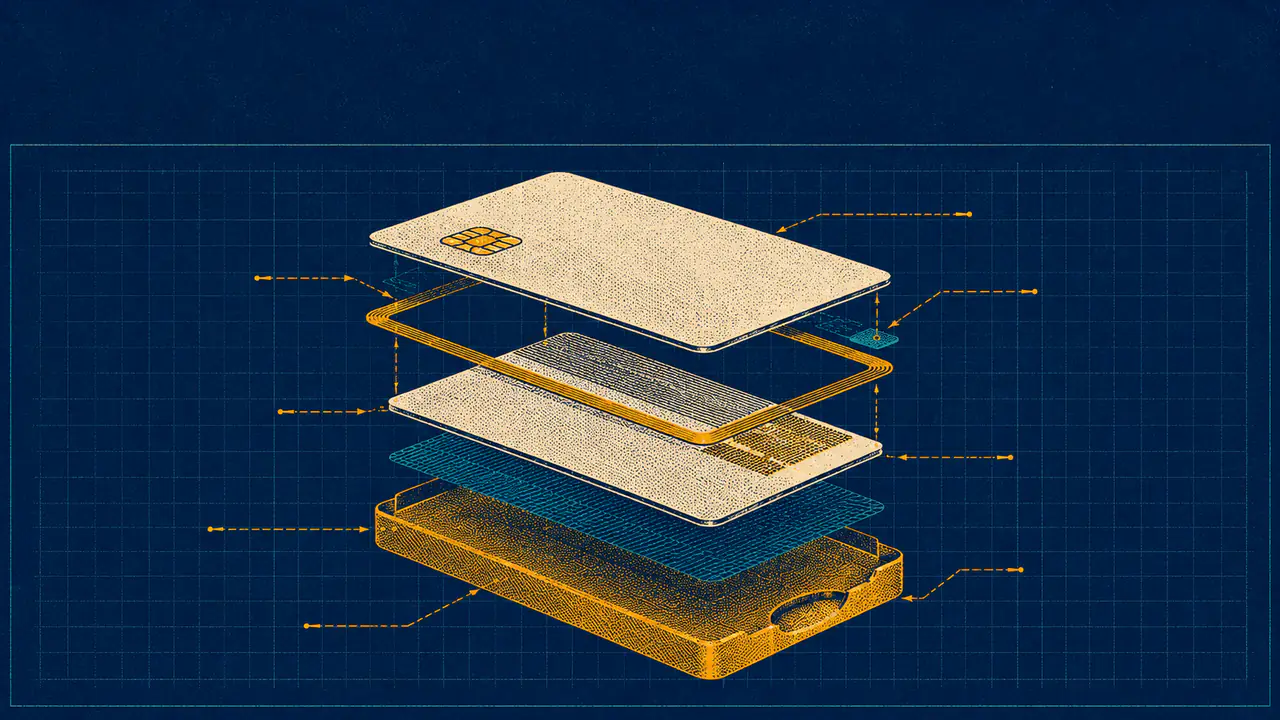
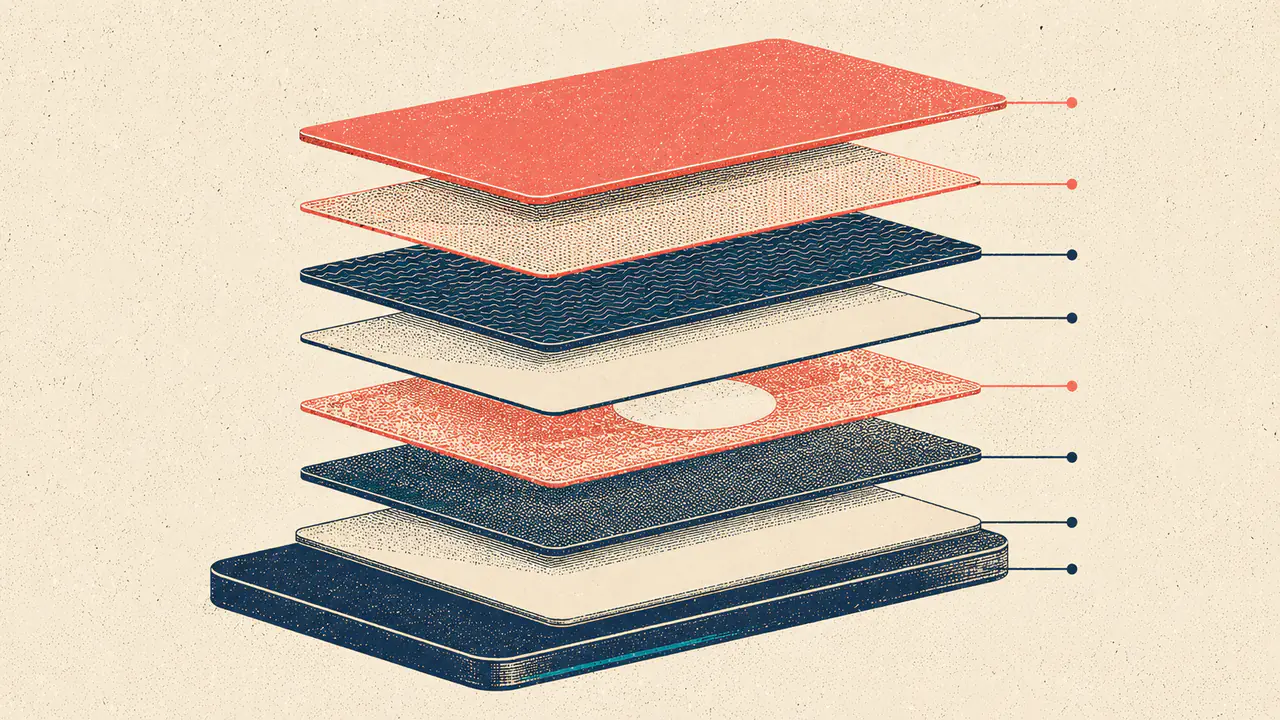
The direct answer. A ChatGPT ad is a compact unit containing an advertiser name, a favicon, a title, a line of copy, a landing page link and one image asset. OpenAI's documentation states ads appear below ChatGPT responses. The unit carries a sponsored label and stays visually separate from the response itself, and OpenAI states that ads do not influence the answer.
Everything below is what OpenAI documents. Where a number is not documented, we say so rather than filling it in, which turns out to be most of the interesting part.
The six fields
| Field | What it is | Documented constraint |
|---|---|---|
| Advertiser name | The business shown on the unit | Set in Settings, Account info. Ads will not serve until this is saved |
| Favicon | The small brand mark | Set alongside the account name |
| Title | The headline | No character limit published by OpenAI |
| Copy | The body line | No character limit published by OpenAI |
| Landing page | Where the click goes | Must not block OpenAI user agents or IP addresses |
| Image | One square creative | PNG or JPG, square, from 256 x 256 to 1200 x 1200 pixels |
The account name and favicon step fails silently and it is worth knowing about before you build creative. OpenAI's wording is that ads will not serve unless the account name and logo are set. There is no error, no rejection and no warning in the campaign builder. The campaign simply sits there.
The image rules, which are documented precisely
This is the one part of ChatGPT creative where the documentation is specific and complete.
- PNG or JPG
- Square
- From 256 by 256 to 1200 by 1200 pixels. The widely cited 640-pixel floor is not the documented minimum
- Publicly accessible
- The URL must open directly to the image file, not to a page containing it
- Accepted hosting: a public Google Drive link, AWS S3 or CloudFront, or self-hosted on your own domain or CDN
That last pair catches people. A link to a Drive preview page is not a link to an image, and an image behind a login, a signed URL or a WAF rule is not publicly accessible.
The character limits nobody can confirm
Here is where the category falls apart, and it is worth laying out rather than resolving, because the disagreement is the finding.
| Source | Title | Description | Tier |
|---|---|---|---|
| OpenAI advertiser documentation | No limit stated | No limit stated | Confirmed, and confirmed silent |
| Index Lab creative specs page | 24 characters | 48 characters | Reported, practitioner |
| Widely watched setup tutorial | 16 characters | 32 characters | Reported, practitioner |
| Screenshot-backed claim of the creative builder | 50 characters | 100 characters | Reported, with evidence |
The circulating numbers disagree by more than a factor of three on the title. OpenAI lists the ad unit fields and states no character limits at all.
We are not going to pick one and print it as fact. The practical guidance that survives the disagreement: write tight, assume truncation, and confirm the real limit inside your own account before committing creative. If you have an account and can screenshot the builder, that resolves this publicly and we will credit and cite it.
Where the ad sits in the answer
OpenAI's stated position, communicated to users, is that ads carry a sponsored label, remain visually separate from ChatGPT's regular responses, and do not influence the assistant's answers. That last point is formalised as the Answer Independence principle.
Two consequences for creative that most advertisers have not internalised.
The ad is read in a reasoning state, not a scanning state. A user mid-conversation is holding a question in their head. The unit competes for attention against an answer they actively requested, which is a harder adjacency than a result list and a more attentive reader than a display placement.
You do not get to see the conversation. Advertisers receive aggregated performance information and not the conversations their ads appeared beside. So creative cannot be tuned against observed context the way search copy is tuned against query reports.
Where ads do not appear at all
Independent of your creative or your targeting.
No ads run beside conversations about personal health, mental health or politics, or in what OpenAI's policy calls sensitive user journeys. No ads are shown to users on Plus, Pro or any Business plan, or to users OpenAI predicts are under 18. Logged-out ads are limited to content appropriate for all audiences, with mature content restricted to logged-in users.
If your product is bought during exactly the conversations on that exclusion list, no amount of creative work reaches those moments.
What we cannot tell you
The actual character limits. OpenAI does not publish them, the practitioner claims disagree by more than threefold, and we do not hold an account to check.
How the unit renders across surfaces. We have not seen documentation covering differences between web, mobile and app rendering.
What share of answers carry an ad in ChatGPT. Not published. The comparable reported figure for Google AI results is 25.5%, up from 5.17% in early 2025, and OpenAI has published no equivalent.
Whether creative variables move performance. No benchmarks exist across advertisers, industries or campaign types, so there is no published basis for any creative best practice in this channel. Anyone publishing one is generalising from a single account.
Quick answers
What does a ChatGPT ad look like? It carries an advertiser name, a favicon, a title, a line of copy, a landing page link and one image asset, and it appears below the ChatGPT response. It is labelled as sponsored and stays visually separate from the answer.
Where do ChatGPT ads appear on the page? Below ChatGPT responses, per OpenAI's advertiser documentation.
What are the image requirements for ChatGPT ads? PNG or JPG, square, from 256 by 256 to 1200 by 1200 pixels, publicly accessible, with a URL that opens directly to the image. Accepted hosting is a public Google Drive link, AWS S3 or CloudFront, or self-hosting on your own domain or CDN.
What is the character limit for a ChatGPT ad headline? OpenAI does not publish one. Third-party sources claim between 16 and 50 characters for the title and between 32 and 100 for the description, and none of the lower figures cites a primary source. Write tight and confirm inside your own account.
Do ChatGPT ads influence the answer? OpenAI states they do not, under its Answer Independence principle, and that ads remain visually separate and labelled as sponsored.
Can I see which conversations my ad appeared in? No. Advertisers receive aggregated performance information and do not get access to user chats.
Why is my ChatGPT ad not serving even though everything looks fine? A common cause is the account name and logo not being saved in Settings, Account info. OpenAI states ads will not serve until that step is complete, and it produces no error message.
Sources
| Claim | Source | Tier |
|---|---|---|
| Ad unit fields: advertiser name, favicon, title, copy, landing page, image; no character limits stated | OpenAI Help Center, Ads in ChatGPT, updated 30 July 2026 | Confirmed, primary |
| Image rules: PNG or JPG, square, 256 x 256 minimum and 1200 x 1200 maximum, publicly accessible, direct-open URL, accepted hosting | OpenAI Ads Manager documentation and Help Center Troubleshooting, verified 13 September 2026 | Confirmed, primary |
| Ads will not serve until account name and logo are set | OpenAI advertiser documentation | Confirmed, primary |
| Landing pages blocking OpenAI user agents are a listed rejection cause | OpenAI Help Center, Troubleshooting | Confirmed, primary |
| No ads beside personal health, mental health or political conversations, or sensitive user journeys | OpenAI ad policies v1.3, 15 July 2026 | Confirmed, primary |
| Ads not shown to Plus, Pro or Business plan users, or predicted under-18s | OpenAI Help Center, updated 30 July 2026 | Confirmed, primary |
| Sponsored label, visual separation, ads do not influence answers | OpenAI communication to users, reported 14 Aug 2026 | Reported |
| Title 24 / description 48 characters | indexlab.ai | Reported, practitioner |
| Title 16 / description 32 characters | Setup tutorial, YouTube | Reported, practitioner |
| Title 50 / description 100 characters, screenshot-backed | Practitioner report | Reported, with evidence |
| Ads present in 25.5% of Google AI results, up from 5.17% in early 2025 | Trade coverage | Reported |
Related reading
- ChatGPT ad specs: what OpenAI actually documents — the five conflicting sources side by side
- What has to be true before you can run a ChatGPT ad — including the settings step that fails silently
- Blocking AI crawlers can get your ChatGPT ads rejected
Changelog
13 September 2026. v1.1 added the documented 256-pixel image minimum.
15 August 2026. v1.0 published.
Field kit
Tools
Site
OpenAI (primary)
Share this
Ansh works across GEO strategy, B2B research, and execution. At InPromptAds, he translates new AI advertising products into clear operating advice, tests, and measurement questions for marketing teams.